Karolina
Karolina Scavelli
Graphic Designer · Los Angeles

Brand Identity · Editorial · Packaging · Visual Strategy

Designs that make
you say that's it.

Polish-born, LA-based graphic designer turning ambitious ideas into precise, unforgettable visuals. From bold logos to complete brand systems — if it needs to be seen, I'll make sure it's remembered.

Brand Identity Logo Design Editorial Design Packaging Visual Strategy Print & Digital Typography Adobe Suite Brand Identity Logo Design Editorial Design Packaging Visual Strategy Print & Digital Typography Adobe Suite
Selected Work
Three projects.
One standard.
Whiskey & The Goat
Signage & Branding

Whiskey & The Goat

Full brand identity for an upscale LA bar concept

01 / 03
Renegade Coffee
Brand Identity

Renegade Coffee & Bakery

Bold brand system for Melbourne's independent coffee scene

02 / 03
The Gathering Camp
Merchandise & Packaging

The Gathering Camp

Outdoor lifestyle brand built for the mountains of Vancouver

03 / 03
Process

Brief Final

Every project starts with a raw idea. Here's what it looks like when strategy meets design.

The Brief
🥃
Whiskey & The Goat

"We want a bar that feels like a converted warehouse — dark, warm, upscale but not pretentious. Think Arts District LA. We have a name and a concept, nothing else."

No logoNo colorsNo typographyNo collateral
The Result
Whiskey & The Goat Final
Full Identity SystemSignage DesignBrand Guidelines
The Brief
Renegade Coffee & Bakery

"We're opening in Melbourne. We want to feel independent, bold — a little rough around the edges but unmistakably quality. Something that stands out from every other third-wave coffee shop."

No existing brandBold & independentMelbourne marketFull system needed
The Result
Renegade Coffee Final
Logo & IdentityPackaging DesignBrand System
The Brief
🏕️
The Gathering Camp

"We run outdoor retreat experiences in the mountains of Vancouver. Our community believes the best conversations happen around a campfire. We need merch that people actually want to wear — warm, adventurous, a little weathered."

Outdoor lifestyleCommunity-drivenMerchandise focusWearable designs
The Result
The Gathering Camp Final
Merch DesignTote & ApparelBrand Identity

Selected Work

Projects that speak
for themselves

View All Projects →

Signage & Branding

Whiskey & The Goat

Full signage system and brand identity for an upscale LA bar.

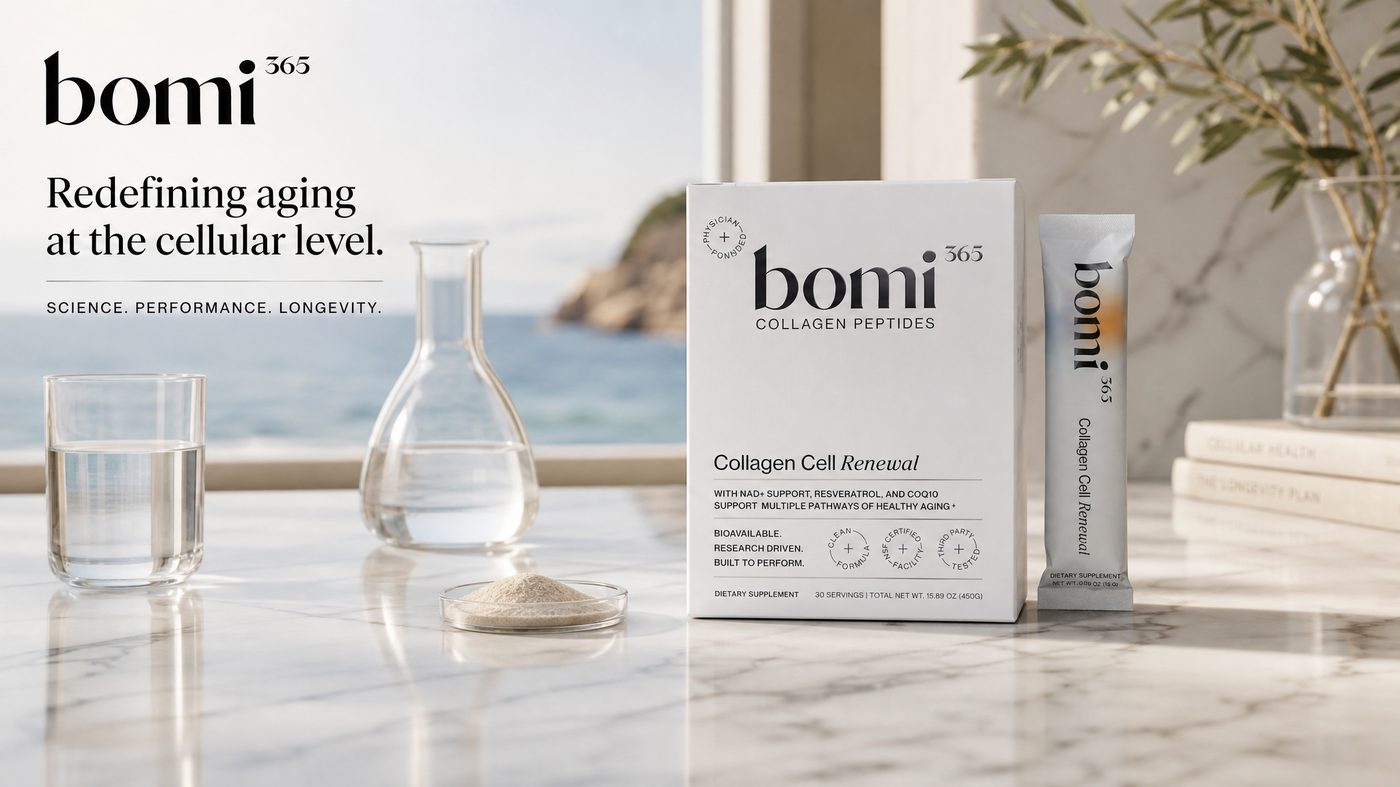
Packaging Design

Vitamin Sea

Bottle packaging for a wellness lifestyle brand.

Brand Identity

Renegade Coffee

Full brand identity for a Melbourne coffee shop.

Merchandise Design

The Gathering Camp

Tote bag and merch for an outdoor lifestyle brand.

Digital / UI Design

Mobile App Concept

App interface and UX for a lifestyle product.

I work with —
Consumer Brands Fashion & Lifestyle Food & Hospitality Editorial & Print Startups Creative Studios
Karolina
KS
Los Angeles, CA

About Me

Poland meets LA.
Simplicity meets sophistication.

Hi, I'm Karolina — a graphic designer based in the sunny vibes of Los Angeles, originally from Poland. I grew up where design was taught as craft: meticulous, intentional, and purposeful. When I moved to LA, I layered that European discipline with bold, energetic West Coast spirit.

I specialize in turning ideas into eye-catching visuals — from logos to complete branding systems that leave a lasting impression. I build visual identities that help businesses communicate clearly, confidently, and memorably.

Adobe IllustratorPhotoshopInDesignFigmaBrand StrategyTypographyPrint DesignPackaging
50+
Projects
8+
Years Exp.
2
Continents
Bold Vision

What I Offer

Transforming ideas into visual impact

01

Brand Identity

Complete visual identity systems — from strategy and naming to logos, color palettes, and brand guidelines that keep you consistent everywhere you show up.

Logo DesignColor SystemsTypographyBrand Guidelines

02

Print & Editorial

From magazines and lookbooks to marketing collateral and signage — print materials that command attention and communicate credibility.

MagazinesBrochuresPostersSignageLookbooks

03

Packaging Design

Packaging that sells off the shelf and photographs beautifully online. Graphics and mockups for products that need to stand out in crowded markets.

Product PackagingLabel DesignMockupsRetail

How I Work

A process built on intention

01 — Discovery

Listen First

Before a single pixel is placed, I dig deep into your brand, audience, goals, and competitors. Understanding always comes before creating.

02 — Strategy

Define Direction

I establish the visual language — mood, tone, and reference points — so every design decision is rooted in a clear strategic foundation.

03 — Design

Craft & Refine

Iterative rounds of design with your feedback woven in. I present concepts that push and options that reassure — you choose the path forward.

04 — Deliver

Launch Ready

Clean file packages, print- and digital-ready assets, and full brand usage guidance. You walk away with everything you need.

Ready to work together?

Let's build something worth noticing.

Whether you're launching a new brand, refreshing an existing identity, or need a designer who shows up with craft and conviction — I'd love to hear from you.

Portfolio

Work that speaks
louder than words.

From brand identities to packaging, editorial to digital — projects I've poured my craft into. Every piece started with a problem and ended with a solution worth seeing.

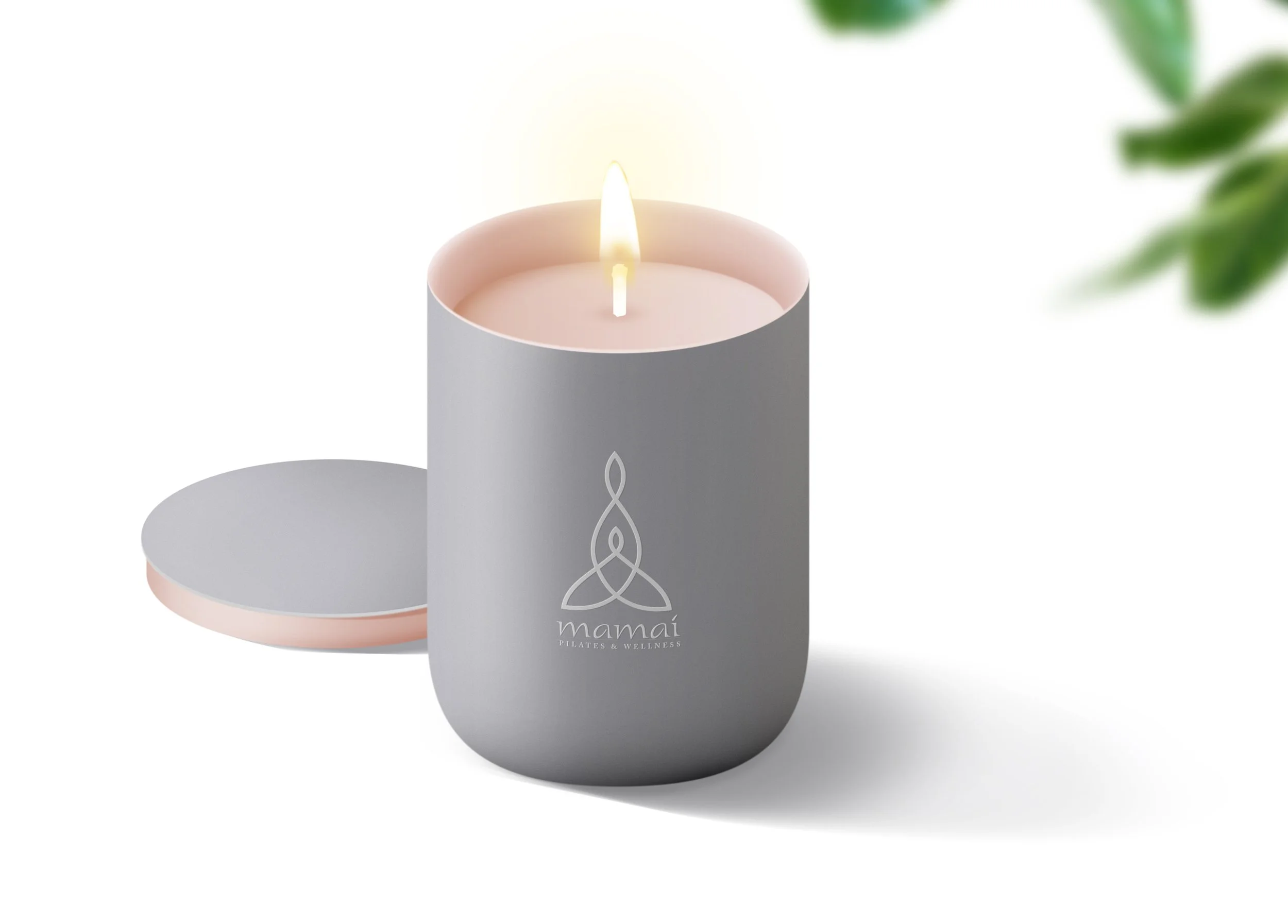
Candle Brand

Branding & Packaging

Candle Brand Identity

Packaging and label design for an artisan candle brand.
T-Shirt Brand

Apparel & Branding

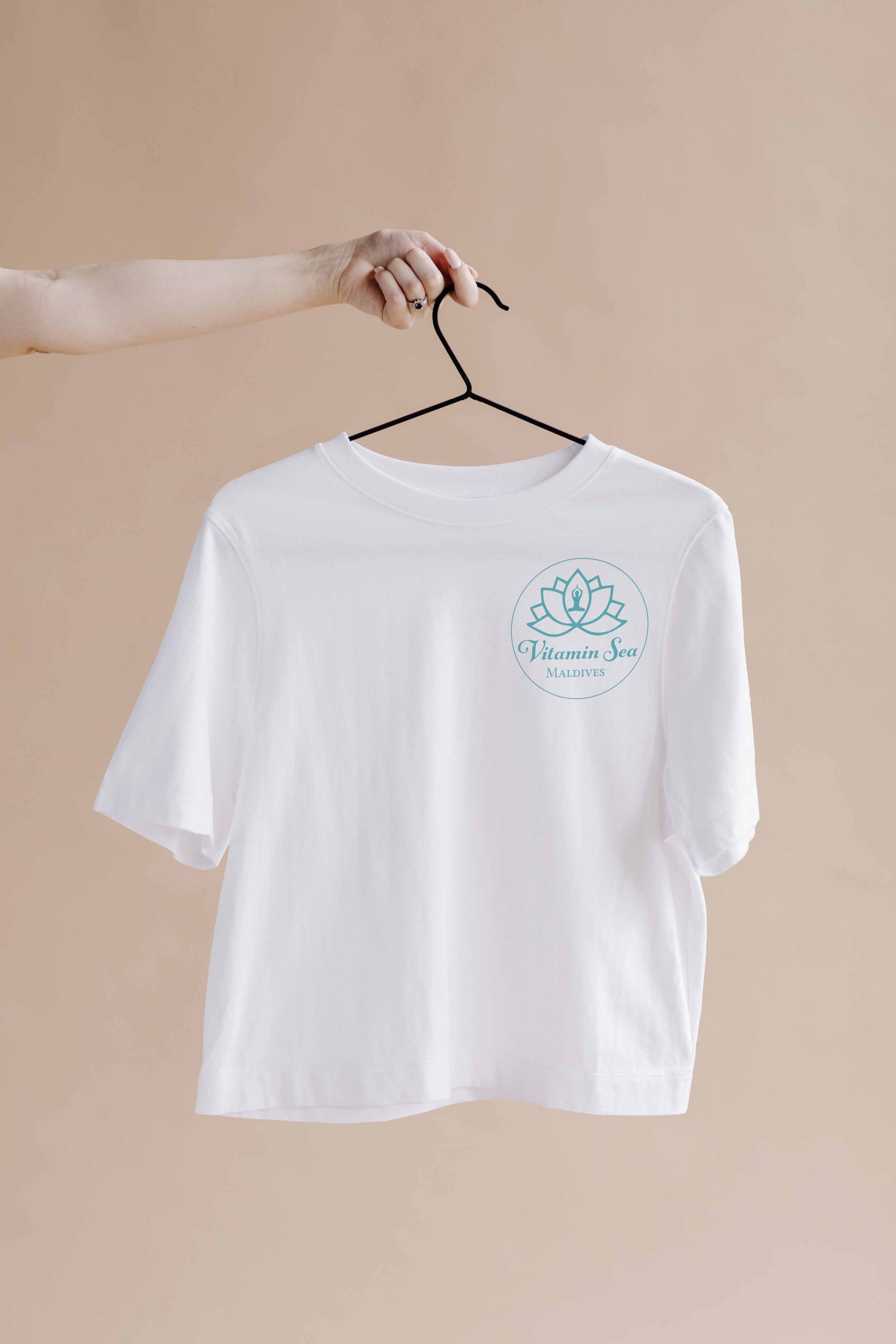
Apparel Brand Design

Brand identity and apparel design for a clothing label.
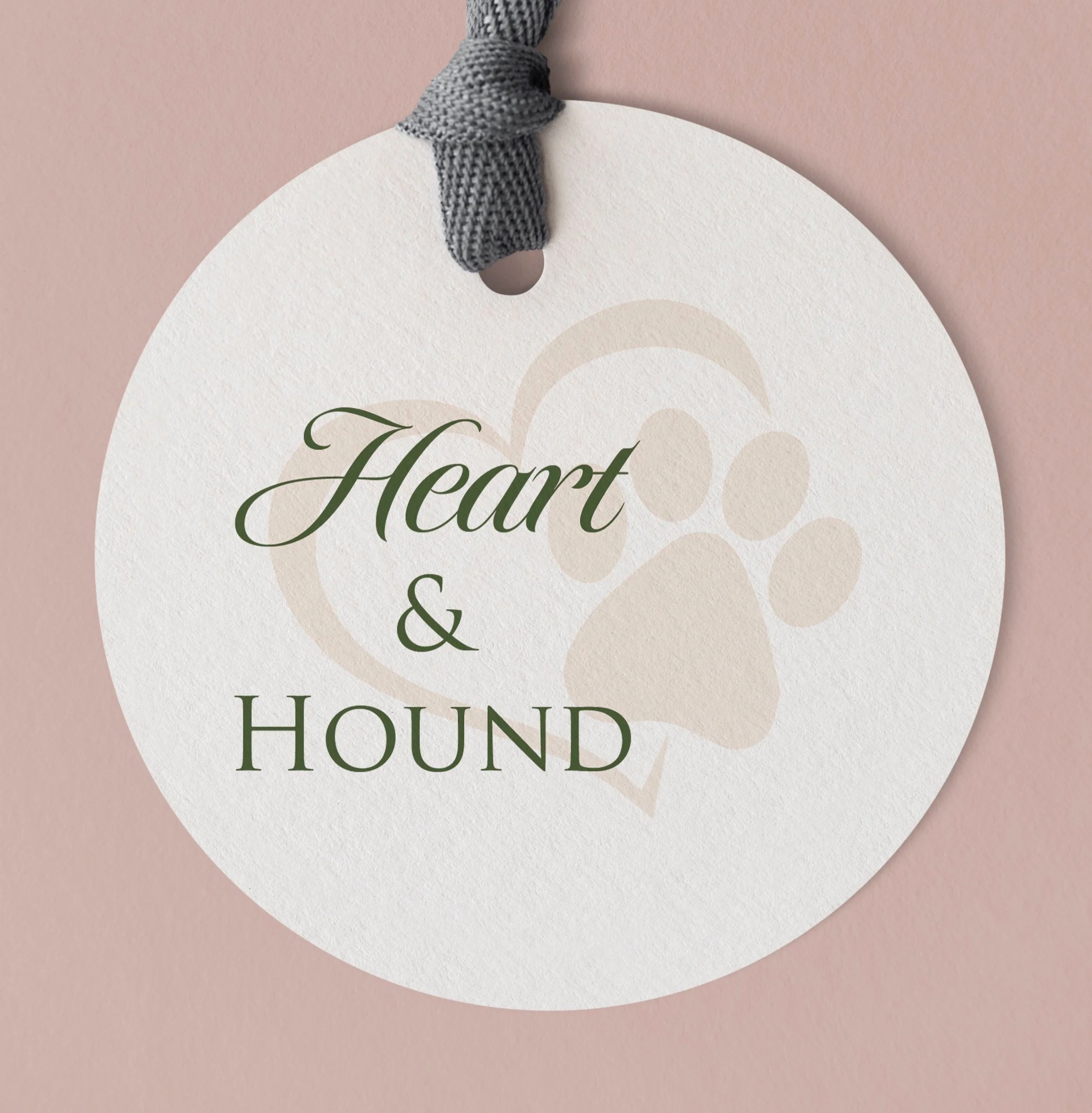
Brand Mockup

Brand Identity

Brand Identity System

Full brand identity and collateral design system.
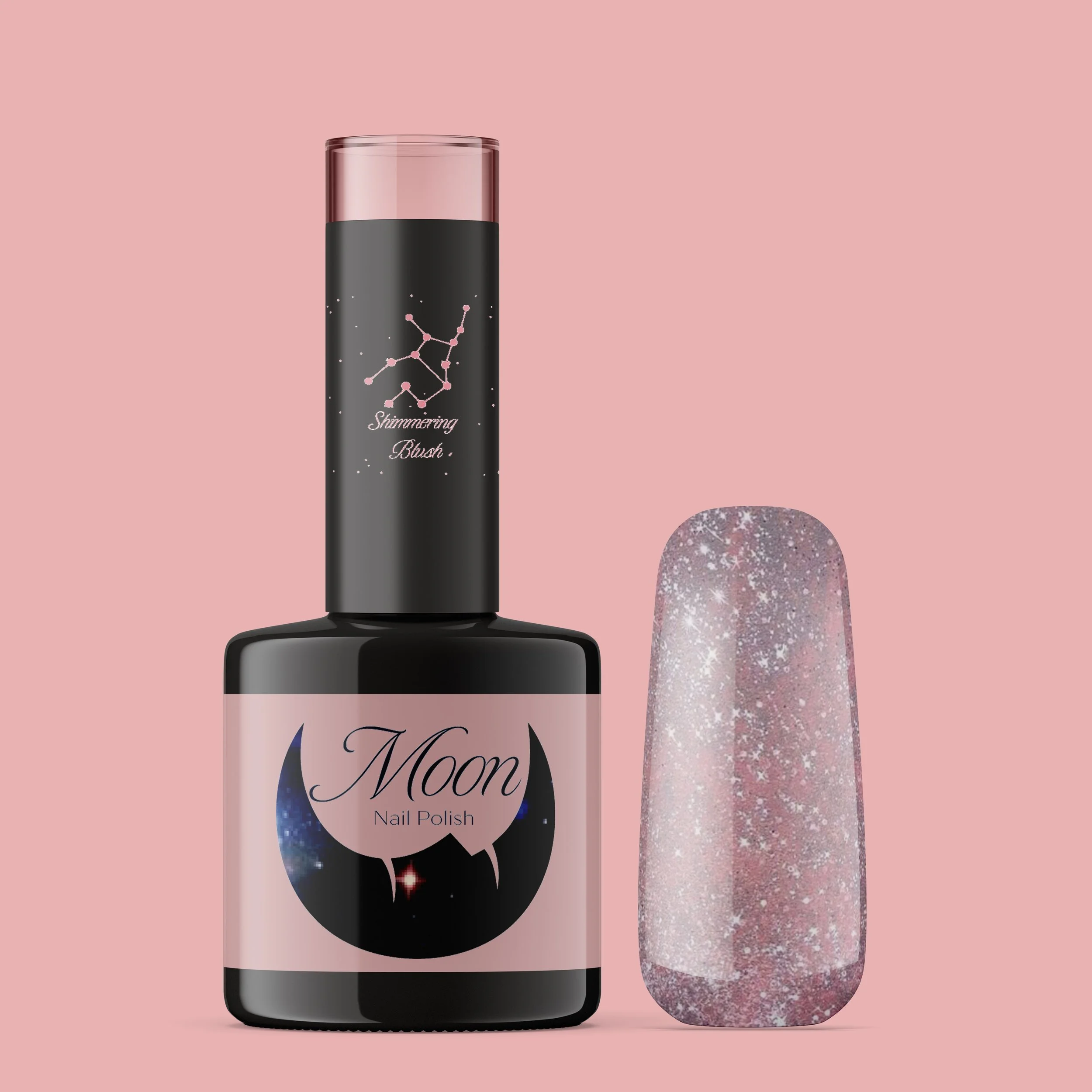
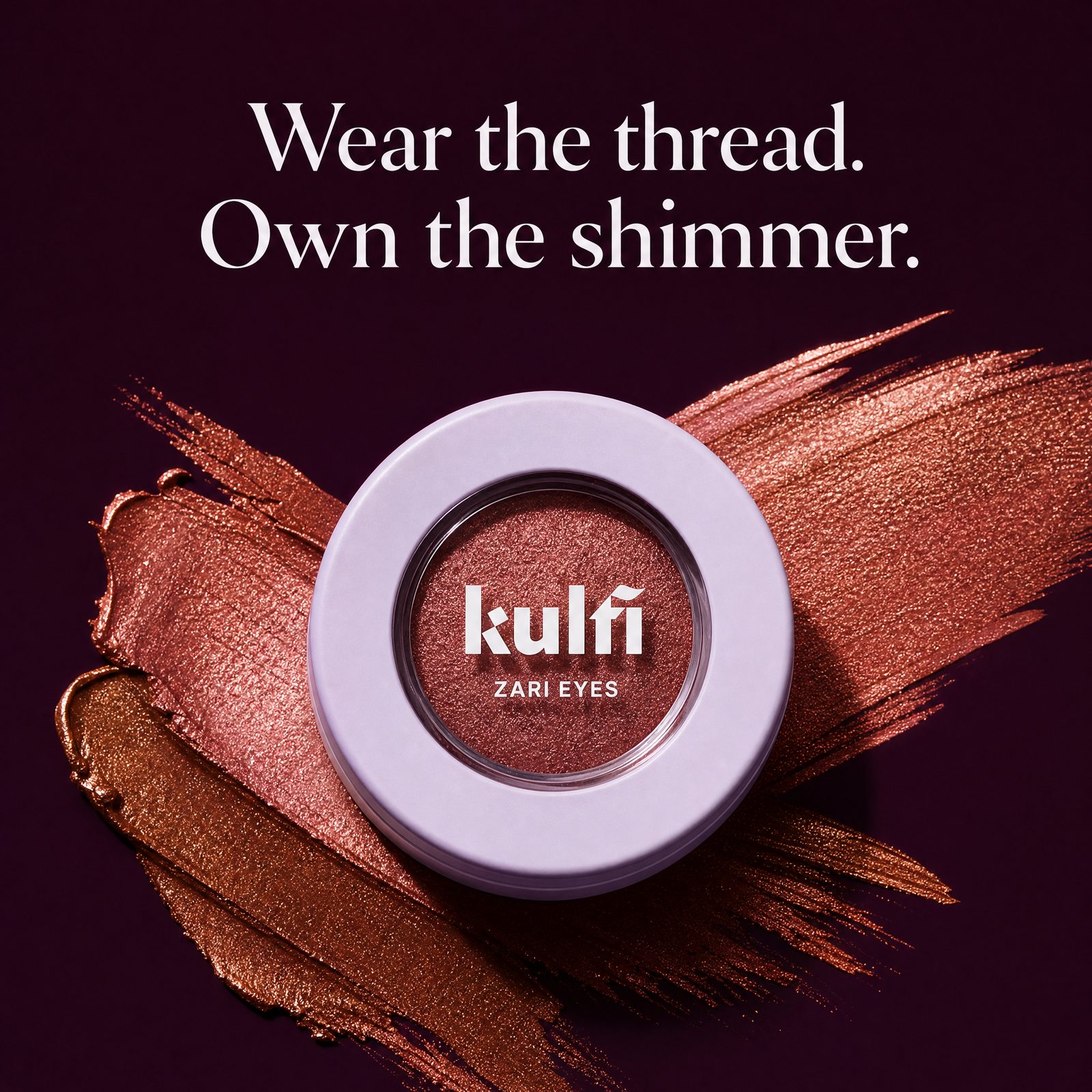
Nail Polish

Packaging Design

Nail Polish Collection

Label and packaging design for a cosmetics product line.

Whiskey & The Goat

Signage & Branding

Whiskey & The Goat

Full signage system and brand identity for an upscale LA bar.
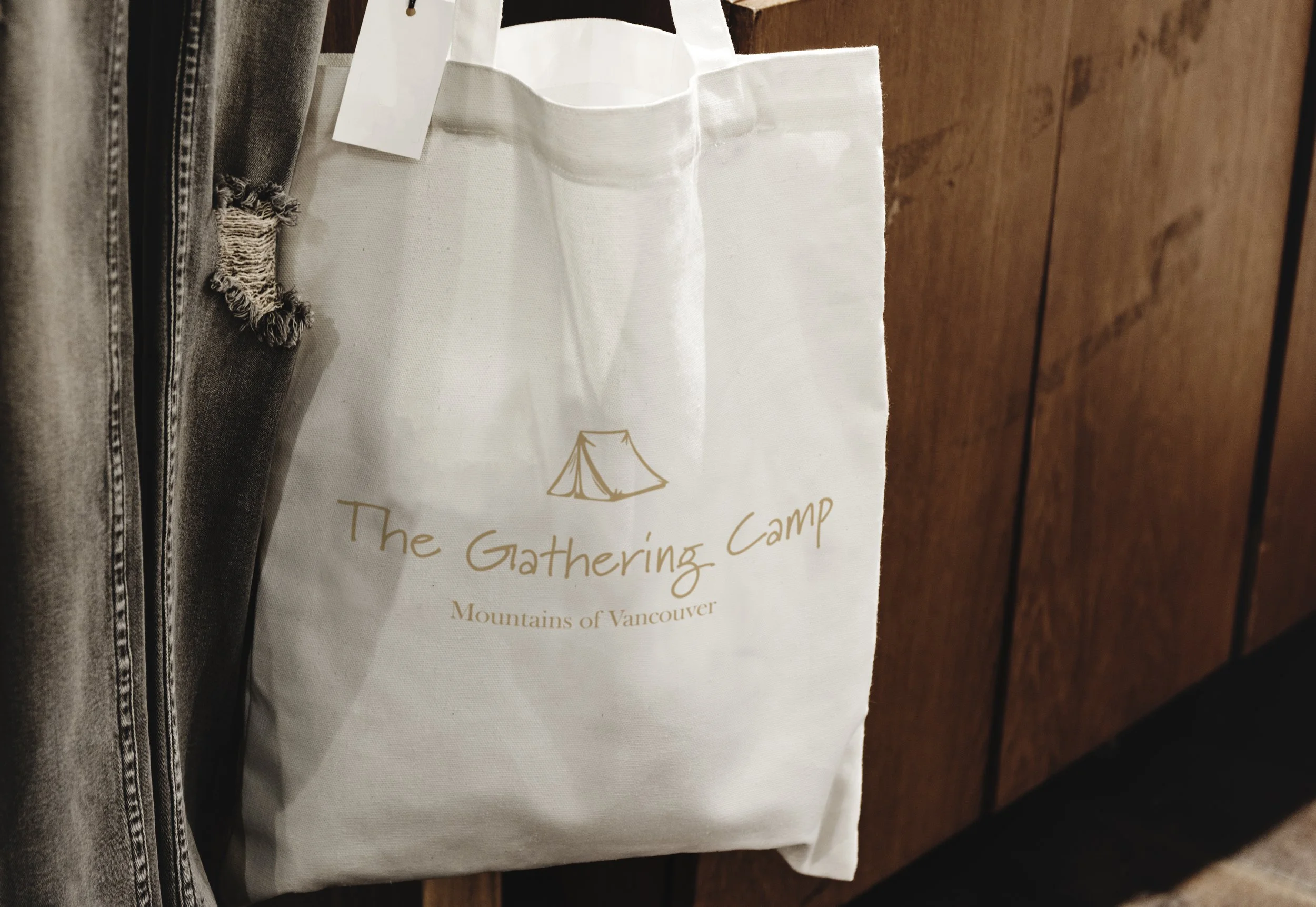
The Gathering Camp

Merchandise & Packaging

The Gathering Camp

Tote bag and merchandise suite for an outdoor lifestyle brand.
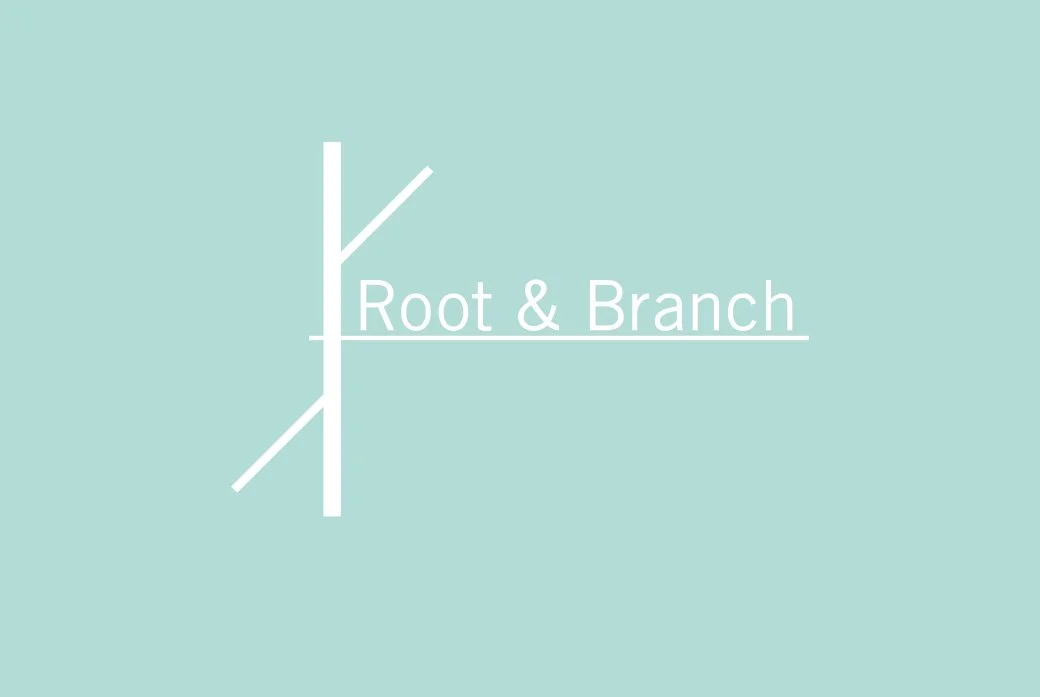
Root and Branch

Logo Design

Root & Branch

Logo and business card design for a botanical brand.
Logo Design

Logo Design

Logo Design Collection

Custom logo design and mark development.

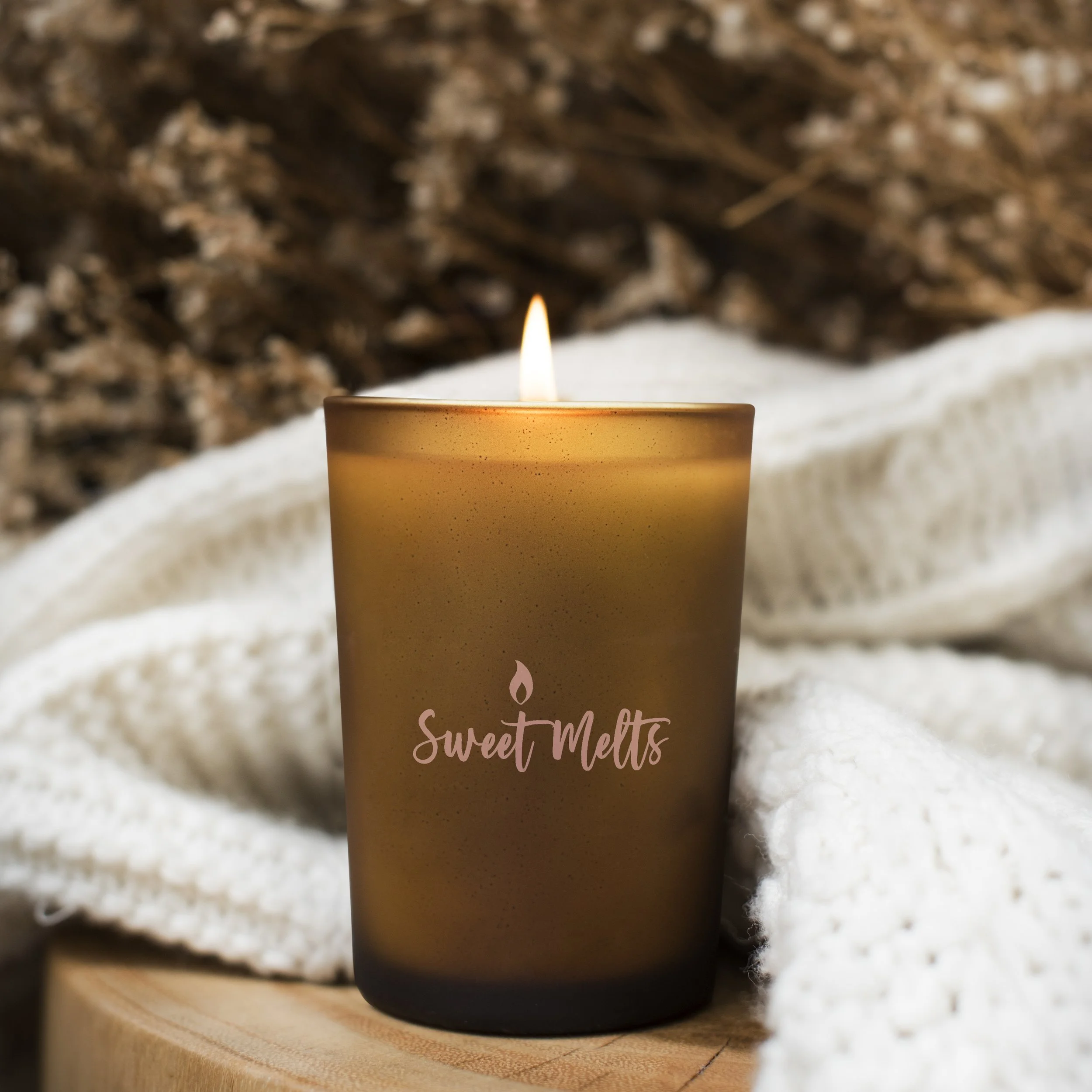
Sweet Melt

Logo & Packaging

Sweet Melt

Logo design and packaging mockup for a confectionery brand.
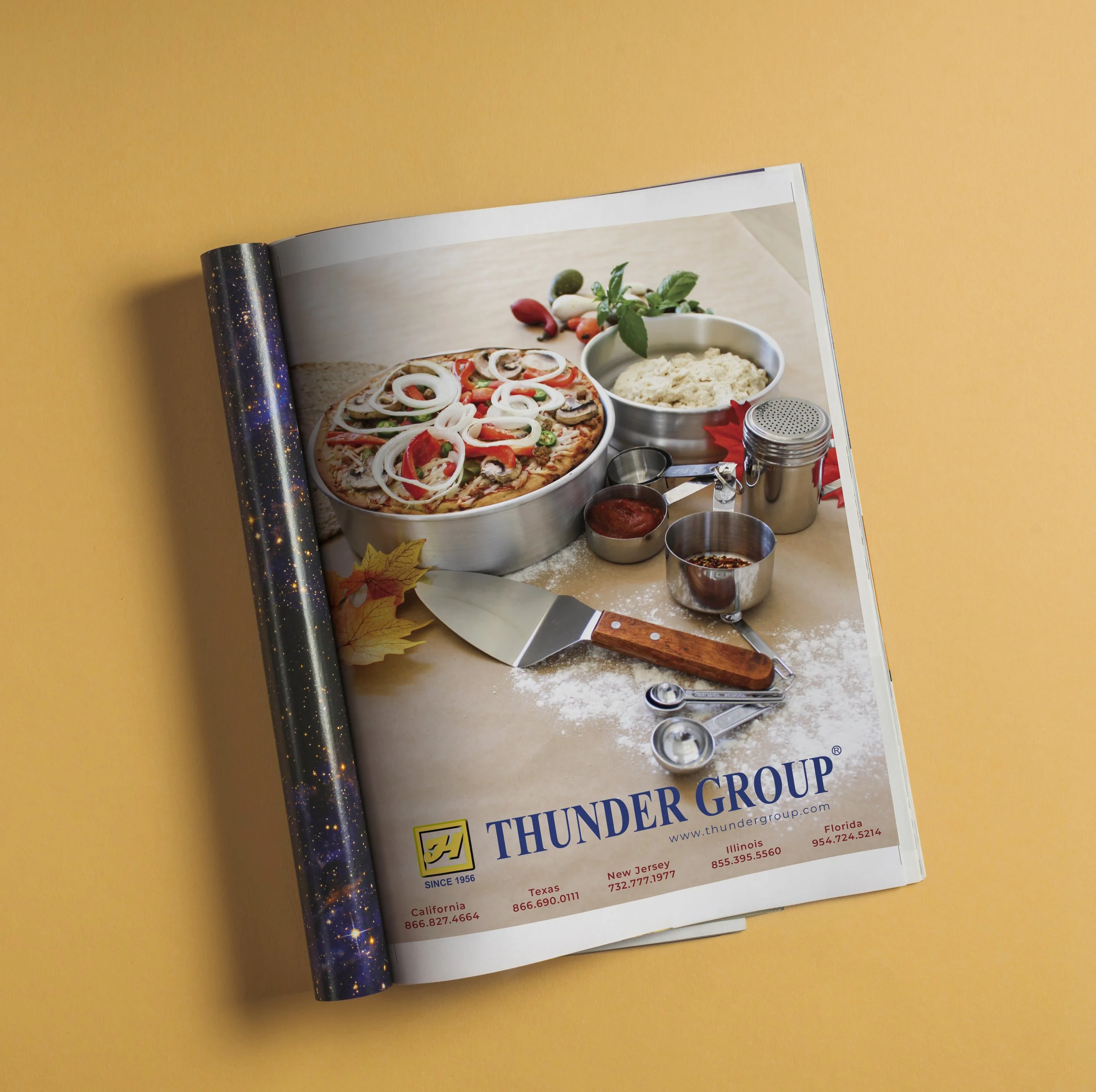
Magazine

Editorial Design

Magazine Covers

Editorial layout and magazine cover design.

Brochure 1

Print Design

Gaviota Brochure

Professional brochure design and print-ready layout.

Brochure 2

Print Design

Brochure Design 2

Multi-page brochure design for a professional services brand.

Brochure 3

Print Design

Brochure Design 3

Editorial layout and brochure design for a client presentation.
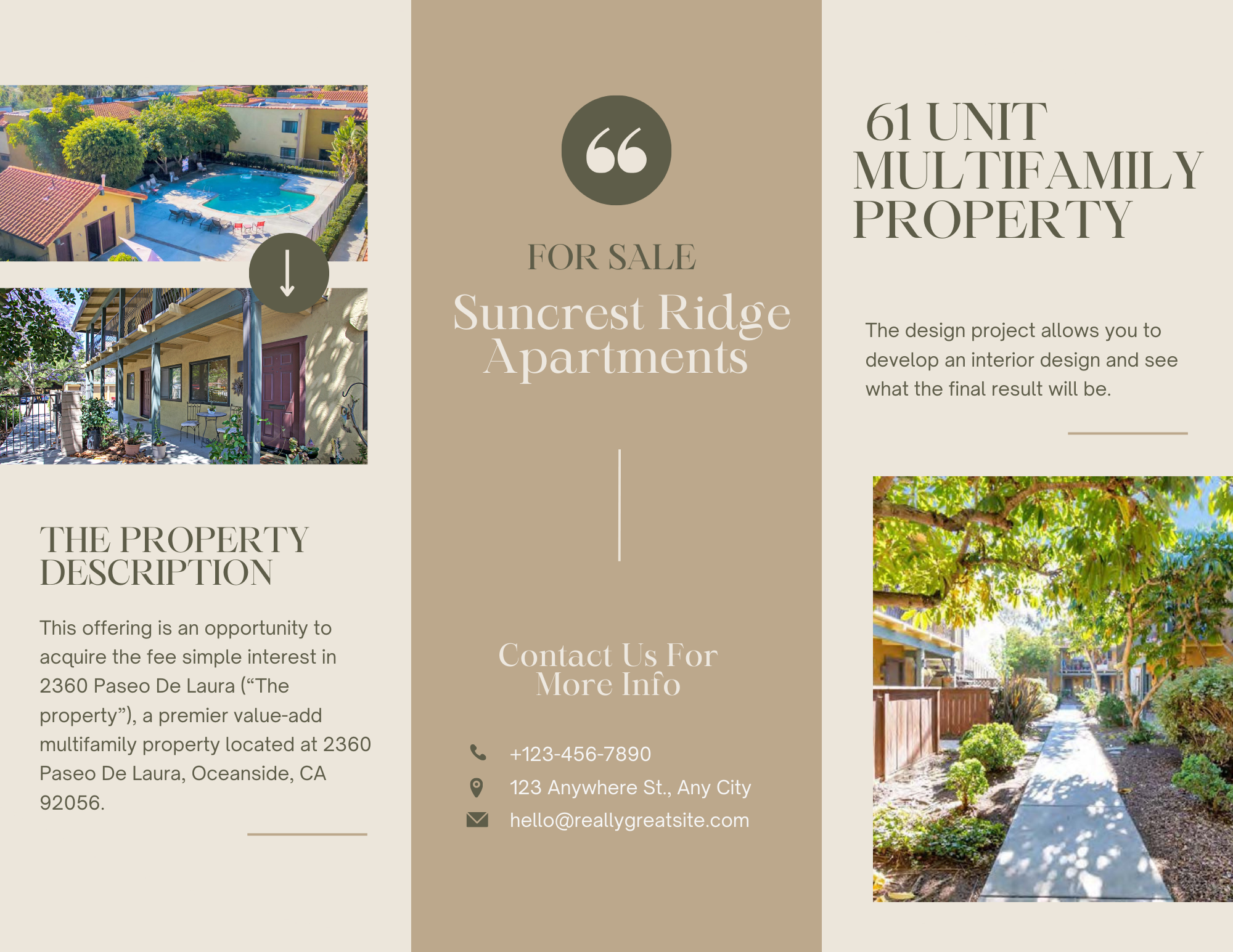
Trifold

Print Design

Trifold Brochure

Trifold brochure design with full print-ready specifications.

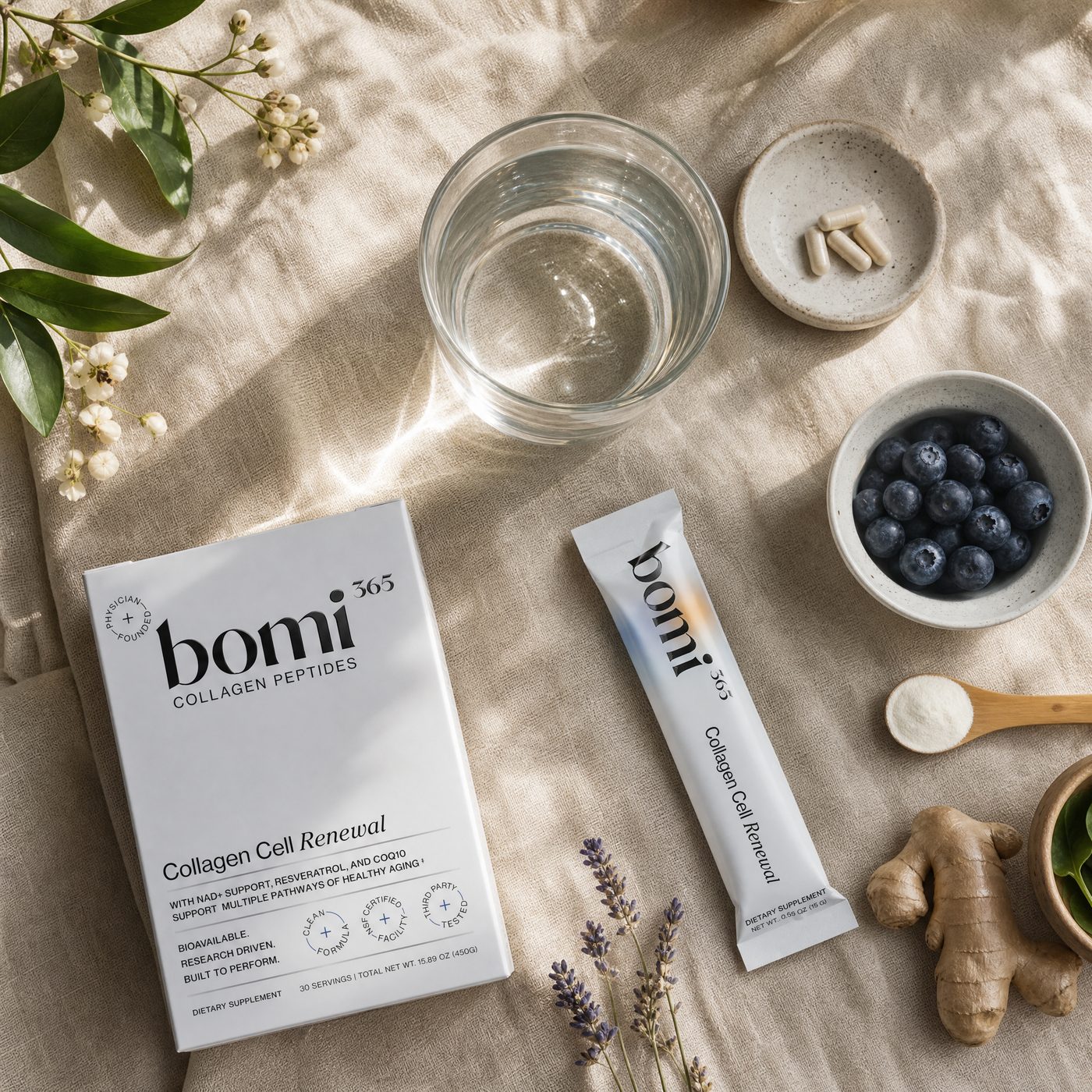
Vitamin Sea

Packaging Design

Vitamin Sea

Bottle packaging and label design for a wellness brand.

Renegade Coffee

Brand Identity

Renegade Coffee & Bakery

Complete brand identity for a Melbourne coffee shop.

Mobile App

Digital / UI Design

Mobile App Concept

App interface and mobile UX for a lifestyle product.

Featured Projects

The work I'm most proud of

Branding

Whiskey & The Goat

Full signage, identity, and collateral for an LA bar concept

Brand Identity

Renegade Coffee & Bakery

Complete brand system for a Melbourne coffee shop

Like what you see?

Your project could be next.

Every great brand started with one conversation. Let's start ours.

Start a Project →
Back to Work Whiskey & The Goat
Client
Whiskey & The Goat
Category
Signage & Brand Identity
Deliverables
Logo, Signage, Brand Guidelines, Collateral
Year
2024

Whiskey & The Goat

Whiskey & The Goat came to me with a concept: a warm, upscale bar that felt like it belonged in a converted warehouse in the Arts District — dark wood, amber light, a menu that took whiskey seriously. They needed an identity that matched the mood before anyone walked through the door.

The challenge was balancing rugged masculinity with refined elegance. The goat icon — rendered with fine lines and precise geometry — became the anchor. It's confident without being aggressive, distinctive without being gimmicky.

"The sign stopped people on the street before we even opened. That's exactly what we needed — Karolina nailed the vibe."

The typeface pairing uses a custom serif for the wordmark and a clean grotesque for supporting text — letting the logo breathe while maintaining hierarchy across all touchpoints: menus, signage, coasters, and digital assets.

Color palette: near-black background, off-white typography, and a warm gold accent used sparingly for hierarchy. Everything was built to look intentional in low light — because that's where the brand actually lives.

Next Project
Vitamin Sea → Packaging Design
Back to Work Vitamin Sea
Client
Vitamin Sea — Maldives
Category
Packaging Design
Deliverables
Bottle Label, Packaging System, Brand Identity
Year
2024

Vitamin Sea — Maldives

Vitamin Sea is a wellness brand rooted in ocean energy — inspired by the Maldives, designed for people who treat their health like a ritual. The brief was clear: make it feel like water. Make it feel like calm. Make it feel like something you'd keep on your bathroom shelf because it looks too beautiful to hide.

The lotus mark at the center of the label carries the brand's philosophy: purity, balance, growth. Drawn with clean circular geometry and rendered in the brand's signature teal, it anchors the design without overwhelming the soft peach bottle tone.

"The packaging became part of our product story. Customers photograph it constantly — it practically markets itself."

Typography is intentionally restrained. The brand name in a delicate serif, location text in spaced capitals — letting the color and mark do the heavy lifting. The result is packaging that looks premium at every price point.

Next Project
Renegade Coffee → Brand Identity
Back to Work Renegade Coffee
Client
Renegade Coffee & Bakery
Location
Melbourne, Australia
Category
Brand Identity & Packaging
Deliverables
Logo, Cup Design, Brand System, Merch
Year
2023

Renegade Coffee & Bakery

Melbourne's coffee culture is unforgiving. Walk-ins expect more than a good flat white — they want an experience. Renegade came to me wanting a brand that felt like its name: independent, bold, a little rough around the edges but unmistakably quality.

The wordmark leans into vintage Americana — a nod to the American diner influence behind their bakery menu — but the execution is clean enough to live comfortably on a specialty coffee cup. The wheat graphic beneath the lettering connects coffee and bakery under a single visual idea: craft from the earth up.

"Our cups became the most photographed thing in the café. People tag us without being asked."

The warm terracotta brown and cream palette made the brand feel approachable, warm, and instantly at home on Melbourne's laneways. The full system included cup design, paper bags, signage, staff uniforms, and a digital brand guide.

Next Project
The Gathering Camp → Merch Design
Back to Work The Gathering Camp
Client
The Gathering Camp
Location
Vancouver, BC
Category
Merchandise & Brand Identity
Deliverables
Logo, Tote Bag, Merch System, Brand Guide
Year
2023

The Gathering Camp

The Gathering Camp runs outdoor retreat experiences in the mountains of Vancouver — a community for people who believe that the best conversations happen around a campfire. Their brand needed to feel like that: warm, adventurous, slightly weathered in the best way.

The tent icon was designed to feel hand-rendered — like it was sketched in a field journal. Clean enough to work on merch, warm enough to feel human. Set against the natural cream of the canvas tote, it communicates everything about the brand without a word.

"The tote became our best piece of marketing. Customers wore it to farmer's markets, yoga classes, everywhere. It's a walking billboard we're actually proud of."

The logotype uses a flowing, slightly casual serif that feels natural rather than corporate. Paired with the subtlety of "Mountains of Vancouver" in spaced small caps, the hierarchy is clear and the brand message lands immediately.

Next Project
Mobile App Concept → UI Design
Back to Work Mobile App
Project
Lifestyle App Concept
Category
Digital / UI Design
Deliverables
UI Design, Brand Identity, Mockups
Year
2024

Mobile App Concept

This project was a self-initiated concept exploring how brand identity principles translate to digital product design. The brief I set myself: design a lifestyle app that feels as premium as the brands I create identities for — not a generic UI, but something with a real visual point of view.

The result combines strong typographic hierarchy, a restrained but warm color palette, and interface elements that feel crafted rather than templated. Every screen was designed as if it were a print piece first — then adapted for the digital context.

Good digital design isn't different from good print design. It's the same discipline — just with different constraints.

This project reinforced something I believe deeply: the best digital products feel intentional at every touchpoint. Not just the hero screen, but the loading states, the empty states, the micro-interactions. Brand lives in the details.

Next Project
Candle Brand →
Back to Work Candle Brand
Category
Branding & Packaging
Deliverables
Label Design, Tin Packaging, Brand Identity
Year
2024

Candle Brand Identity

Artisan candles live or die by their packaging. The product itself is invisible until lit — what sells it is the vessel, the label, and the story those communicate before anyone strikes a match. This project was about creating a brand identity that felt as warm and considered as the product inside.

The tin format gave us a beautiful canvas — cylindrical, tactile, premium. The label design wraps the tin with a restrained typographic treatment and a muted color palette that communicates craft without shouting about it. Every detail, from the font choice to the label finish, was chosen to reinforce the same feeling: slow, intentional, quality.

"The packaging made our product feel like a gift even before it was wrapped. That's everything."

The brand system extended to tags, tissue paper inserts, and a simple brand guidelines document covering color, type, and photography direction — giving the client everything they need to stay consistent as the product line grows.

Next Project
Apparel Brand Design →
Back to Work Apparel Brand
Category
Apparel & Brand Identity
Deliverables
Logo, Apparel Design, Brand System
Year
2023

Apparel Brand Design

Clothing is one of the most personal brand touchpoints that exists — it's identity worn literally on the body. This apparel branding project required a mark that was strong enough to stand alone on a garment without any supporting context, while still communicating the brand's complete personality.

The design process centered on the garment first — testing mark scale, placement, and color against actual fabric textures and cuts before finalizing anything. A logo that looks great on screen and falls apart on a t-shirt is a failure. Every decision here was made in the context of the final product.

Apparel design is the most unforgiving branding discipline. The product is the billboard.

The resulting brand system covers primary and secondary marks, color-on-color applications for different garment tones, embroidery vs. print specifications, and a lookbook direction that shows the brand in context.

Next Project
Brand Identity System →
Back to Work Brand Identity System
Category
Brand Identity
Deliverables
Full Brand System, Stationery, Collateral
Year
2023

Brand Identity System

A complete brand identity system is more than a logo — it's a set of rules and tools that allows a brand to communicate consistently across every touchpoint, by anyone, forever. This project delivered exactly that: a comprehensive visual system built to scale.

The system covers primary and secondary logos, color palette with accessibility specifications, typography hierarchy, iconography style, photography direction, and a detailed usage guide. Every element was stress-tested across real-world applications — business cards, letterheads, signage, digital templates — before being finalized.

A brand system is an investment. Done right, it pays dividends every single time someone encounters the brand.
Next Project
Nail Polish Collection →
Back to Work Nail Polish
Category
Packaging Design
Deliverables
Label Design, Packaging System, Product Line
Year
2023

Nail Polish Collection

Cosmetics packaging exists in one of the most visually competitive retail environments on earth. The challenge here was designing labels for a nail polish collection that would communicate color, mood, and brand personality simultaneously — all within the constraints of a small, cylindrical bottle.

The design leans into the color itself as the primary brand statement. Labels are minimal and elegant — letting the product do the talking while the typography and finish add the premium layer. Each color in the collection received a name and a micro-designed label that connects the product to an emotional territory.

In cosmetics, restraint is luxury. The brands that do the least on the label signal the most confidence in the product.

The system was designed to work across a full collection range — consistent enough to read as a family on shelf, distinct enough that each individual product has its own personality.

Next Project
Root & Branch Logo →
Back to Work Root and Branch
Client
Root & Branch
Category
Logo Design & Stationery
Deliverables
Logo, Business Cards, Brand Identity
Year
2024

Root & Branch

Root & Branch is a botanical brand rooted in the philosophy that everything living — businesses included — grows from strong foundations. The name gave us an immediate visual direction: organic, grounded, growing. The challenge was executing that concept with refinement rather than falling into clichéd "nature brand" territory.

The mark abstracts the idea of roots and branches into a geometric form that works equally well at business card size and signage scale. Set in a warm off-black against cream, it communicates craft and care without over-explaining itself. The business card design extended the identity with a clean, confident layout that treats the logo as the focal point.

"Simple, memorable, and instantly ours. Exactly what we asked for and more than we expected."

The complete identity package included primary and secondary logos, business cards, email signature, and a one-page brand guideline covering all usage rules.

Next Project
Sweet Melt →
Back to Work Logo Design
Category
Logo Design
Deliverables
Logo Suite, Mark Development, Usage Guide
Year
2024

Logo Design Collection

Logo design at its best is deceptively simple — the product of an enormous amount of thinking condensed into a single, elegant form. This project showcases the mark development process: from initial concepts through refinement to a final logo system that works across every context.

The development process explored multiple directions before converging on a solution that balanced the client's need for memorability with the practical demands of real-world application. Every mark was tested at favicon size, embroidery scale, and large-format print before being signed off.

A great logo looks inevitable in retrospect. Getting there is never inevitable.
Next Project
Sweet Melt →
Back to Work Sweet Melt
Client
Sweet Melt
Category
Logo & Packaging
Deliverables
Logo, Packaging Mockup, Brand Identity
Year
2024

Sweet Melt

Sweet Melt is a confectionery brand built around the idea that indulgence should be beautiful. The brief was to create a brand identity that felt playful and inviting without being childish — a brand that appeals to adults who take their treats seriously.

The logo mark plays with the idea of melting — fluidity and warmth built into the letterforms themselves. The color palette uses warm, saturated tones that signal sweetness and energy while maintaining the visual sophistication the brand needed to stand out in a premium market.

Sweet things deserve beautiful design. This is a brand that respects its own product.

The packaging mockup brought the identity to life — showing how the brand would sit on a shelf, wrapped around a product, and shared on social media. The packaging design is designed to be photographed, shared, and remembered.

Next Project
Magazine Covers →
Back to Work Magazine Covers
Category
Editorial Design
Deliverables
Magazine Covers, Ad Layouts, Editorial Design
Year
2023

Magazine Covers

Editorial design is a discipline that demands a particular kind of visual intelligence — the ability to balance information hierarchy, aesthetic impact, and reader attention across a spread that competes with everything else on a newsstand or screen. Magazine cover design is that challenge at its most intense: one image, one moment, everything at stake.

This project involved designing magazine covers and advertising layouts that needed to work within an established editorial visual language while still standing out. The covers use bold typography, considered photography cropping, and a restrained color palette to create covers that feel editorial rather than promotional.

A great magazine cover makes you pick it up. A great layout makes you stay.

The advertising layouts within the publication applied the same editorial sensibility — ensuring that the ads felt at home in the publication rather than interrupting it, while still achieving their commercial objectives.

Next Project
Gaviota Brochure →
Back to Work Gaviota Long Beach
Client
The Gaviota Project
Category
Print & Brochure Design
Deliverables
14-Page Brochure, Print-Ready Files
Year
2023

1208 + 1290 Gaviota Long Beach

A 14-page investor and operator brochure for two abutting properties at 1208 & 1290 Gaviota Ave in Long Beach — a cannabis manufacturing and distribution facility totaling ±18,700 SF. The design needed to communicate complex licensing details, facility specs, floor plans, and market data while maintaining a premium, confident visual tone throughout.

The sage green palette was chosen to feel sophisticated rather than generic for the cannabis industry. Bold editorial typography anchors each section, and the layout balances data-heavy content with strong photography to keep readers engaged across every spread — from property overview and highlights to cannabis market data and potential output projections.

Complex information design is about giving every fact a home — a place where it lands clearly without crowding everything around it.
Next Project
Aviation Place Brochure →
Back to Work Aviation Place Brochure Cover
Client
Lee & Associates
Category
Print & Brochure Design
Deliverables
9-Page Brochure, Print-Ready Files
Year
2023

Aviation Place Brochure

A 9-page commercial real estate brochure for Lee & Associates marketing 1245 Aviation Place — a 132,936 SF industrial warehouse in San Fernando, CA available for sublease. The design needed to communicate property specs, floor plans, and photography with immediate visual clarity and a premium editorial feel.

Bold display typography creates strong section headers across each spread. Interior photos, aerial views, floor plans, and contact details are organized with a clear hierarchy that makes complex specs easy to absorb quickly. All files delivered print-ready with full bleed and CMYK profiles.

Real estate design has to earn trust fast. Every layout decision communicates credibility before a word is read.
Next Project
Lee & Associates Brochure →
Back to Work 2236 S Barrington Ave
Client
Lee & Associates
Category
Print & Brochure Design
Deliverables
10-Page Brochure, Print-Ready Files
Year
2024

2236 S. Barrington Ave

A 10-page commercial real estate brochure for Lee & Associates marketing a creative compound for lease in West LA — a 16,437 SF two-floor space designed by Donaldson + Partners at 2236 S. Barrington Ave, Los Angeles. The property features soaring ceilings, polished concrete floors, marble kitchen, private balconies, and space for up to 150 employees.

The design balances strong architectural photography with clean, bold typography to communicate the property's premium creative character. Floor plans, interior photo galleries for each level, location context, and lease details are each given dedicated spreads — making complex information easy to absorb at a glance.

A great property brochure doesn't just inform — it makes someone want to be in that space before they've ever visited it.
Next Project
Suncrest Ridge Trifold →
Back to Work Trifold Brochure
Client
Suncrest Ridge Apartments
Category
Print Design
Deliverables
Trifold Brochure, Print-Ready Files
Year
2024

Suncrest Ridge Trifold

A trifold brochure for the sale of a 61-unit multifamily property in Oceanside, CA. The design needed to communicate investment opportunity, property features, and financial highlights across just two sides — front and back — with immediate visual impact.

The warm beige and gold palette was chosen to reflect the property's California lifestyle appeal. The trifold format creates a natural reveal — the cover draws in, the interior spreads deliver the full story. Every panel transition was considered to make the reading experience feel effortless.

A trifold that works makes you want to open it. The design should feel like an invitation, not a document.
Next Project
Whiskey & The Goat →

The Blog

Thoughts on design,
craft & creativity.

Musings on typography, brand strategy, the LA design scene, and what it means to create work that actually matters.

✦ Featured Post · Typography

My Favorite Adobe Fonts for Logo Design

February 2025 · 6 min read

Typography is the backbone of every strong logo. The right typeface communicates personality, builds trust, and establishes hierarchy before a single word is read. Here are the Adobe Fonts I keep coming back to for brand identity work.

All Posts

More from the studio

Brand Strategy

What Makes a Brand Identity Actually Work

January 2025 · 5 min read

It's not just about looking good — great brand identity is about making the right people feel something. Here's what separates forgettable from iconic.

Inspiration

How Travel Shapes My Design Perspective

December 2024 · 4 min read

From Warsaw to Los Angeles to Paris — every city has left its mark on how I see color, space, and composition. Here's how wandering makes me a better designer.

Packaging

Designing Packaging That Sells on Sight

November 2024 · 7 min read

You have 3 seconds on a shelf. Here's everything I've learned about designing packaging that stops people mid-scroll and gets them to reach for it.

Process

Why I Ask So Many Questions Before I Design

October 2024 · 4 min read

Before I open Illustrator I spend hours asking questions most designers skip. Here's why the best design work starts with listening, not sketching.

Design Tips

Logo Design Mistakes That Hurt Your Brand

September 2024 · 5 min read

I see the same logo mistakes over and over. Trendy fonts, complex marks, zero scalability. Here's what to avoid — and what to do instead.

Studio Life

What a Day in My LA Design Studio Looks Like

August 2024 · 3 min read

Coffee, sunlight, Spotify, and a lot of Illustrator. A peek into the daily rhythm of running a solo design studio from sunny Los Angeles.

Browse by Topic

Find what interests you

✏️
Typography
4 articles
🎨
Brand Strategy
6 articles
📦
Packaging
3 articles
✈️
Inspiration
5 articles
Back to Blog

Typography

My Favorite Adobe Fonts for Logo Design

📅 February 2025⏱ 6 min read✍️ Karolina Scavelli

Typography is the backbone of every strong logo. Before color, before iconography, before anything else — the typeface is making a statement about who a brand is. Get it right and everything else falls into place. Get it wrong and no amount of clever art direction will save you.

I've spent years working through hundreds of typefaces for client projects. Over time, a core set of Adobe Fonts keeps rising to the top. Not because they're trendy — in fact, I actively avoid the trendy ones — but because they're *useful*. Versatile. Honest. The kind of fonts that work at 300px on a billboard and 12px on a business card.

A great logo font isn't the one everyone is using this year. It's the one that will still feel right in fifteen years.

1. Freight Display — For Brands That Need Authority

Freight Display is a workhorse disguised as a thoroughbred. It carries the refinement of a traditional editorial serif but with just enough contemporary personality to feel current. I reach for it when a client wants to feel established, credible, and confident without being stiff. Law firms, lifestyle brands, consultancies, hotels — Freight Display earns its place every time.

2. Aktiv Grotesk — For Modern, Clean, Functional Marks

Aktiv Grotesk is what happens when Helvetica goes to therapy and figures out its issues. It has that same authoritative neutrality but with better spacing, cleaner curves, and a warmth that Helvetica never quite had. For tech brands, health brands, and anything that needs to feel modern without feeling cold, this is my go-to.

3. Canela — For the Brand That Has Taste

Canela sits at the intersection of editorial and fashion. It has this beautiful tension between the delicate and the bold — thin hairlines next to confident strokes. When a client tells me they want to feel "elevated" or "curated," I start with Canela. It consistently delivers the feeling of a brand that has developed actual taste.

4. Termina — For Geometric Confidence

If a brand needs to project strength, precision, and forward motion, Termina is the answer. Its geometric construction gives it a structural integrity that few display fonts can match. I use it for brands in architecture, fitness, and technology — anywhere that the visual language needs to feel built, not decorative.

5. Orpheus Pro — For Heritage and Craft

Orpheus Pro is the font I reach for when a brand has history, or wants to feel like it does. It has the kind of character that takes decades to develop — serifs with slight quirks, letterforms that feel like they were cut with intention. For artisan food brands, heritage retailers, and wine labels, nothing beats it.

The Bottom Line

The best font for your logo is never the most beautiful one in isolation — it's the one that communicates the right thing about your brand to the right person at the right moment. That's a strategic decision as much as an aesthetic one. And it's exactly why typography is the first conversation I have with every new client.

TypographyLogo DesignBrand IdentityAdobe Fonts
Karolina
Karolina Scavelli
Graphic designer based in Los Angeles, originally from Poland. Specializing in brand identity, packaging, and editorial design. Building visual identities that communicate clearly and memorably.

Read Next

More from the studio

Brand Strategy

What Makes a Brand Identity Actually Work

Design Tips

Logo Design Mistakes That Hurt Your Brand

Back to Blog

Brand Strategy

What Makes a Brand Identity Actually Work

📅 January 2025⏱ 5 min read✍️ Karolina Scavelli

Every week I see brands that look beautiful and do nothing. Polished logos, perfect color palettes, immaculate typography — and yet somehow they communicate absolutely nothing distinctive about who the business actually is. Looking good and working are two different things.

After years of building brand identities for clients across industries, I've identified the difference. It's not about execution quality. It's about whether the visual system is rooted in something real — a true understanding of who the brand is, who its customers are, and what feeling it needs to create.

The goal of brand identity is not to look beautiful. It's to make the right people feel the right thing before they read a single word.

It Starts With Positioning, Not Aesthetics

Most brand projects fail before they start because the brief jumps straight to "we want it to feel modern and fresh." That tells me nothing. Modern compared to what? Fresh in which market? The first thing I do with every client is slow everything down and ask the harder questions: Who are you really competing with? What do your best customers value about you that your competitors can't honestly claim? What would a client lose if you disappeared tomorrow?

Distinctiveness Beats Taste

The most effective brand identities aren't the most aesthetically refined ones. They're the most *distinctive* ones. Distinctiveness means something different from differentiation — it's not about being better, it's about being unmistakably yourself. A brand that looks like ten other brands in its category, but slightly better designed, is still invisible.

Consistency Is the Multiplier

A good logo deployed inconsistently is worse than a mediocre logo deployed consistently. Consistency compounds — every correct touchpoint reinforces the brand memory in the customer's mind. This is why brand guidelines aren't bureaucratic — they're strategic. They protect the investment.

The Feeling Test

I always end a brand project by asking one question: when someone encounters this brand for the first time, what do they feel? Not think. Feel. If the answer is vague or uncertain, the work isn't finished yet. Brand identity is ultimately emotional architecture. We're designing feelings, not just visuals.

Brand StrategyIdentity DesignDesign Thinking
Karolina
Karolina Scavelli
Graphic designer based in Los Angeles, originally from Poland. Specializing in brand identity, packaging, and editorial design.
Back to Blog

Inspiration

How Travel Shapes My Design Perspective

📅 December 2024⏱ 4 min read✍️ Karolina Scavelli

I grew up in Poland and moved to Los Angeles. Between those two cities I've lived and worked across Europe — and every place I've spent time in has permanently changed how I see. Not in a vague, inspirational-poster way. In a specific, technical, this-is-how-I-approach-composition-now way.

Warsaw taught me restraint. Polish graphic design has a long tradition of doing more with less — strong geometric forms, limited palettes, typography that carries the whole weight of communication. When you grow up surrounded by that, economy becomes instinct.

Los Angeles taught me permission. Permission to be warmer, bolder, more sensory. Permission to let design breathe and take up space.

What Paris Taught Me About Visual Hierarchy

When I spent time in Paris, I became obsessed with the city's layered visual culture — how posters overlap on walls, how different eras of typography coexist on a single street. Paris is an accidental masterclass in visual hierarchy and how time creates meaning in design.

How I Apply This to Client Work

Every city I visit gets archived — not just in photos but in observations. The way a bakery's awning color relates to its window typography. The proportion of signage to facade. The way a market stall communicates freshness through color choices. This archive feeds directly into client work. When I'm designing for a food brand or a hospitality client, I'm drawing on hundreds of real-world examples of how physical environments communicate.

My Advice: Design Outside the Studio

If you're a designer and you haven't been somewhere uncomfortable recently, go. Not to collect Pinterest references. To observe how real people navigate real visual environments. That's where the best design thinking happens — not at a desk, but on a street, in a market, in a city that doesn't look like the one you live in.

InspirationTravelDesign ProcessPhotography
Karolina
Karolina Scavelli
Graphic designer based in Los Angeles, originally from Poland. Specializing in brand identity, packaging, and editorial design.
Back to Blog

Packaging Design

Designing Packaging That Sells on Sight

📅 November 2024⏱ 7 min read✍️ Karolina Scavelli

You have three seconds. That's approximately how long a product sits in a consumer's field of vision before they move on — in a store aisle, on a shelf, on a website. Packaging design is the highest-stakes visual communication challenge in all of graphic design, and it's also the most underestimated.

Packaging isn't decoration. It's the last salesperson between your product and a sale.

The Three-Second Rule

I design every package to communicate one thing in three seconds — the most important thing the consumer needs to feel to pick it up. Not think. Feel. The technical information, the ingredients, the brand story — all of that lives in what I call the "second read." But the first three seconds are purely emotional. Your packaging needs to win that battle.

Color Does the Heaviest Lifting

Before typography, before photography, before illustration — color is what registers first. The palette decision in packaging isn't aesthetic, it's strategic. What colors does your category own? Which colors are your competitors using? Where is the white space — both literally and conceptually — that you can occupy?

Restraint Is a Superpower

The most common packaging mistake I see is too much information fighting for attention. Every word, icon, and callout that gets added diminishes the impact of everything else. The brands with the most shelf impact are almost always the most restrained — they make one clear visual statement and commit to it entirely.

It Has to Photograph Well

Modern packaging lives as much on a phone screen as it does on a shelf. Design for the Instagram photo. Design for the unboxing video. The brands that do this well — whose packaging photographs so beautifully that customers post it without being asked — have unlocked a marketing channel that money can't fully replicate.

PackagingProduct DesignBrand Strategy
Karolina
Karolina Scavelli
Graphic designer based in Los Angeles, originally from Poland. Specializing in brand identity, packaging, and editorial design.
Back to Blog

Design Process

Why I Ask So Many Questions Before I Design

📅 October 2024⏱ 4 min read✍️ Karolina Scavelli

The most common complaint clients have after a failed design project isn't "the designer wasn't talented." It's "the designer didn't understand us." Talent is everywhere. Understanding is rare. And understanding can't be faked — it has to be earned through the right questions asked in the right order.

I spend more time listening before a project than most designers spend designing during one. That's not inefficiency. That's the work.

The Questions I Always Ask

I start every project with a discovery session. Not a brief form. An actual conversation. I want to understand: Who are your best customers and why do they choose you? Who are your worst customers — the ones you wish would go to a competitor? What does success look like in 3 years? If your brand were a person, who would they be? What brands do you admire outside your category, and why?

Why These Questions Matter

The answers to these questions create constraints — and constraints are the most valuable thing in design. Without them, you're just making pretty things. With them, every decision has a reason, and every element of the visual system is doing a specific job. The logo isn't beautiful for its own sake. It's beautiful because it communicates the exact right thing to the exact right person.

The Questions Clients Don't Expect

The questions that generate the most useful answers are always the unexpected ones. "What are you afraid of with this rebrand?" reveals more than "what's your brand personality?" "Who in your team is going to push back on this?" tells me more about the real constraints than any brief document. Good questions create psychological safety and surface the real brief, not the sanitized one.

Design ProcessClient WorkBrand Strategy
Karolina
Karolina Scavelli
Graphic designer based in Los Angeles. Specializing in brand identity, packaging, and editorial design.
Back to Blog

Design Tips

Logo Design Mistakes That Hurt Your Brand

📅 September 2024⏱ 5 min read✍️ Karolina Scavelli

I review a lot of existing logos as part of brand audits — and I see the same mistakes over and over. Not because business owners aren't smart, but because logo design is a discipline that looks simpler than it is. Here are the mistakes that cause the most damage, and what to do instead.

A logo isn't decoration. It's the first word your brand says. Make sure it's saying the right thing.

Mistake 1: Choosing a Trendy Font

Trendy fonts make logos feel current for approximately 18 months, then they make them feel dated for the next 15 years. I can tell the year a logo was made within two years just from the typeface choice. The fonts that are everywhere right now will be the first things you want to change in two years. Choose for longevity, not the moment.

Mistake 2: Too Much Complexity

A logo needs to work at the size of a favicon and the size of a building. The more elements you add, the fewer contexts it works in. The best logos are almost embarrassingly simple at first glance — and reveal their craft on closer inspection. Complexity is not sophistication.

Mistake 3: Designing for the Presentation, Not Reality

A logo on a white background in a PDF looks different from a logo on a storefront, on a van, on a black t-shirt, reversed out of a dark background. I design in context from day one. If a logo only works in ideal conditions, it doesn't work.

Mistake 4: No Clear Visual Hierarchy

If everything in a logo is equally prominent, nothing stands out. The brand name, tagline, icon, and any supporting text need a clear hierarchy — with one dominant element that carries the brand recognition, and everything else supporting it. When in doubt, simplify the hierarchy until one thing wins.

What to Do Instead

Start with a word. One word that captures the essential feeling your brand should create. Then build everything — typeface, form, color — from that word outward. Every decision should be defensible against that single word. If it is, you have a coherent logo. If it isn't, you have decoration.

Logo DesignDesign TipsBrand Identity
Karolina
Karolina Scavelli
Graphic designer based in Los Angeles. Specializing in brand identity, packaging, and editorial design.
Back to Blog

Studio Life

What a Day in My LA Design Studio Looks Like

📅 August 2024⏱ 3 min read✍️ Karolina Scavelli

People often ask what running a solo design studio actually looks like day to day. The honest answer: it varies enormously. Some days are deep work days — four hours in Illustrator without looking up. Some days are discovery calls, client feedback sessions, and proposal writing. No two weeks are the same.

But there's a rhythm to it. And I've spent years protecting that rhythm, because I know that when the rhythm breaks, the work suffers.

I don't have a commute. I have a walk to my desk, a coffee ritual, and a playlist that tells my brain it's time to make things.

Morning: No Screens Until 9am

I moved to LA partly for the light. The mornings here are something the rest of the world doesn't have — this golden quality before 9am that makes everything look designed. I protect those mornings. I walk, I make coffee slowly, I look at things. That observational practice feeds directly into my work.

10am–1pm: Deep Work

This is when I design. Phone on silent, notifications off, the right playlist on (usually something instrumental — Nils Frahm or Bonobo). These three hours are sacred. Clients know not to expect responses during this window. My best work has always happened here.

Afternoon: Communication and Business

After lunch I handle the business side — emails, proposals, client check-ins, invoicing. Creative energy shifts in the afternoon anyway. I lean into the administrative work rather than fighting it. The key is knowing when you're at your best creatively and guarding that time obsessively.

The LA Part

Being in Los Angeles isn't just a lifestyle choice — it feeds the work. The design culture here is extraordinary. The fashion, the food, the architecture, the street culture. I'm constantly taking in visual information that ends up informing client projects months later. The city is my reference library and I never leave it.

Studio LifeLos AngelesCreative Process
Karolina
Karolina Scavelli
Graphic designer based in Los Angeles, originally from Poland. Specializing in brand identity, packaging, and editorial design.

Get in touch

Let's build something worth noticing.

Whether you're launching a new brand, refreshing an identity, or need a designer who shows up with craft and conviction — I'd love to hear about your project.

Based inLos Angeles, California
Availability✦ Available for new projects
Response timeWithin 24 hours
Works withClients worldwide

Start a Project

Fill in a few details and I'll get back to you within 24 hours. The more you share, the better I can help.

Brand IdentityLogo DesignPackagingPrint / EditorialDigital / UIOther

I read every message personally and respond within 24 hours. No automated replies — just a real conversation.
Studio Location
Los Angeles, CA
Working remotely with clients across the US, Europe, and beyond
Project Timeline
2 – 8 Weeks
Depending on scope — branding, packaging, and editorial all vary
Starting Budget
From $1,500
Logo identity from $1,500 — full brand systems and packaging from $3,500